
What Does a GP Treat? A Guide to Everyday Healthcare
- Jul 30
- 6 min read
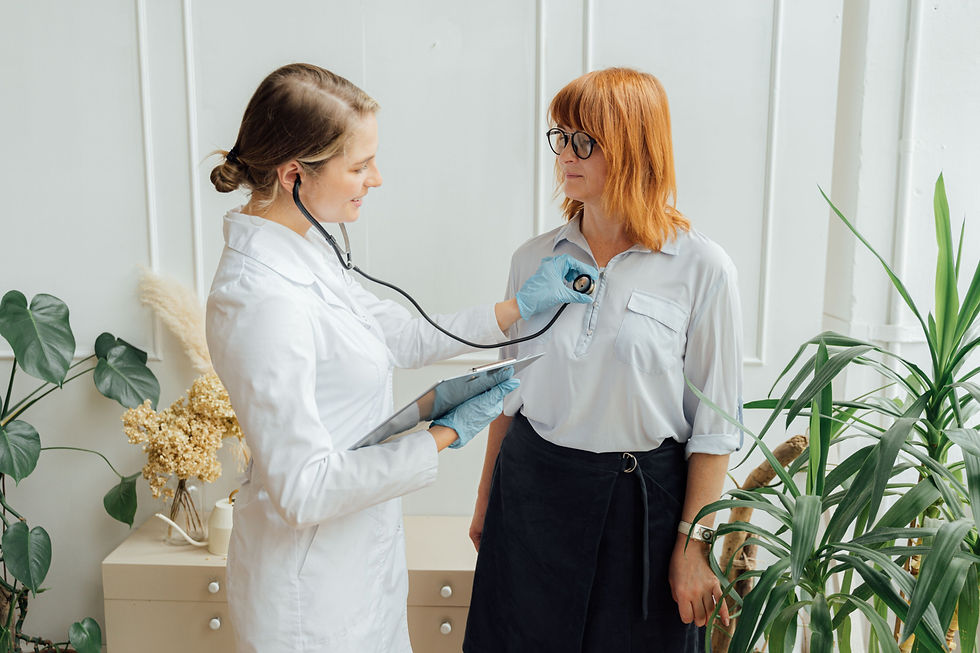
Most people have a rough idea of what a GP does. Check-ups, scripts, maybe a referral here and there. But the actual scope of what a general practitioner can help with is a lot broader than most patients realise, and understanding it properly can save you time, money and unnecessary trips elsewhere.
If you've ever sat in a waiting room wondering "is this actually something my GP can sort out, or do I need a specialist?" you're not alone. It's one of the most common questions patients ask, especially anyone who's just moved to the area and is searching for a Camberwell GP near me for the first time.
This guide breaks down what a GP actually treats day to day, when you might be referred on, and what to expect from a visit to your local Camberwell doctor.
The Everyday Role of a General Practitioner
A GP is trained to look at the whole person rather than a single body part or condition. That's the core difference between general practice and specialist care. Where a cardiologist focuses on hearts and a dermatologist focuses on skin, your GP is trained to recognise patterns across your entire health picture, including how one issue might be connected to another.
This makes general practice the natural starting point for almost any health concern, from a nagging cough that won't go away to ongoing worries about energy levels, sleep or mood. Your Camberwell doctor gets to know your history over time, which means appointments become quicker and more accurate the longer you're a patient, because there's context behind every conversation rather than starting from scratch.
GPs also coordinate care. If you're seeing an allied health professional, having tests done, or managing a condition that touches on more than one part of your body, your GP is usually the one keeping track of the full picture.
Common Conditions Your Camberwell GP Can Treat
The list of what a GP can help with is genuinely long. Here are the areas patients bring up most often.
Colds, Flu and Everyday Illness
Sore throats, sinus infections, gastro, persistent coughs, ear infections. These are the bread and butter of general practice. A GP can assess symptoms, rule out anything more serious, and prescribe appropriate treatment, whether that's antibiotics, symptom management, or simply reassurance and a plan to monitor things at home.
Chronic Disease Management
Conditions like diabetes, high blood pressure, high cholesterol and asthma need ongoing attention rather than a one-off fix. A GP will typically set up a management plan, order regular tests to track how things are trending, and adjust medication as needed. This kind of long-term monitoring is where having a consistent Camberwell Medical Centre you visit regularly really pays off, since your doctor can pick up on small changes before they become bigger problems.
Skin Checks and Minor Procedures
Skin cancer is common in Australia, and GPs play a frontline role in catching it early. A routine skin check can identify concerning spots before they progress, and many practices, including our own skin cancer clinic, offer removal and biopsy of suspicious lesions on-site. GPs also handle other minor procedures such as wound care, ingrown toenail removal and simple excisions, so you're not always being sent elsewhere for smaller issues.
Women's and Men's Health
Cervical screening, contraception advice, pregnancy care and menopause management all sit comfortably within general practice, and our women's and children's health services cover most of this without needing a referral. On the men's side, GPs manage prostate concerns, cardiovascular risk, and issues that a lot of men put off mentioning until things get uncomfortable, from erectile dysfunction to hair loss.
Mental Health Support
Anxiety, low mood, stress and burnout are some of the most common reasons people book a GP appointment, even if that's not always the reason listed on the booking form. A GP can talk through what's going on, arrange a mental health care plan, and connect you with a psychologist if ongoing support would help. There's no need to already have a diagnosis or a clear idea of what's wrong before booking. Most people who come in unsure of what to say find the conversation gets easier once they're actually sitting down with someone who's listening properly.
Health Checks and Preventive Care
Beyond treating what's already gone wrong, GPs spend a lot of time on prevention. Regular health assessments, particularly for over-45s and those with early risk factors for diabetes or heart disease, are one of the most useful things a GP does, because catching a problem early is almost always easier to manage than catching it late. Our health assessments are built around exactly this kind of early detection.
When a GP Refers You to a Specialist
Not everything stays within general practice, and a good GP will tell you plainly when that's the case. Referrals typically happen when a condition needs specialised equipment, a surgical opinion, or ongoing management from someone with narrower, deeper expertise in that one area, think cardiology, orthopaedics, or complex dermatology.
The advantage of starting with a GP is that the referral is informed. Rather than guessing which specialist to see, your GP has already assessed the situation, ruled out simpler explanations, and can point you toward the right person the first time. This alone often saves weeks of trial and error.
What to Expect From a Visit to Your Local Camberwell Doctor
A typical GP appointment starts with a conversation. Your doctor will ask about your symptoms, how long they've been going on, and anything that makes them better or worse. From there, they might examine you, order blood tests or imaging, or simply provide advice and a plan to review things at your next visit.
It's worth being upfront about everything going on, even things that feel unrelated or minor. Fatigue, changes in appetite, sleep issues and mood shifts often connect to each other in ways that aren't obvious until someone with the full picture looks at them together, which is exactly the kind of joined-up thinking general practice is designed for.
Why a Local Camberwell Medical Centre Makes a Difference
Continuity matters more in healthcare than people often expect. Seeing the same GP over time means less repeating your history, quicker recognition of what's normal for you versus what's a genuine change, and a doctor who already understands your family circumstances, work pressures and lifestyle.
Camberwell Medical Group, our GPs work alongside allied health practitioners, nursing staff and on-site pathology, so most of what comes up in a typical appointment can be managed under one roof rather than sending you off to three different providers across town. For anyone weighing up whether to stick with a walk-in clinic or commit to a regular GP, that kind of coordinated care is usually the deciding factor.
Finding a Camberwell GP Near Me
If you're searching for a Camberwell GP near me, location and convenience matter just as much as the quality of care on offer. Our practice sits in the heart of Camberwell, close to public transport, with parking available for patients, which makes it straightforward to fit appointments around work or school pick-ups rather than losing half a day to travel.
New patients are always welcome, and getting set up is simple. If you're weighing up your first booking, our new patient information page covers what to bring and what to expect from your first visit.
Book a Visit With Your Camberwell GP
Whether it's a persistent niggle, a routine check-up, or something you've been putting off mentioning, your GP is very likely the right place to start. Booking a visit is straightforward, and getting the right guidance early usually makes everything that follows easier.
Frequently Asked Questions
Can a GP treat mental health issues, or do I need to see a psychologist straight away?
A GP can absolutely help with mental health concerns and is often the right first step. They can talk through what's going on, arrange a mental health care plan, and refer you to a psychologist for ongoing sessions where appropriate.
Do I need a referral to see a GP?
No. A GP is usually the first doctor you see for any health concern, and no referral is needed. Referrals are only required when your GP determines you need to see a specialist.
What if my concern doesn't fit neatly into one category?
That's more common than people think, and it's exactly the kind of situation general practice is built for. Bring it up anyway. A GP is trained to work through overlapping or unclear symptoms rather than needing a tidy, pre-sorted problem.
Disclaimer: This blog is general information only and does not replace personalised medical advice. Every patient's situation is different, so please book an appointment with one of our GPs to discuss your own health concerns and treatment options.


Comments